

Our Problem
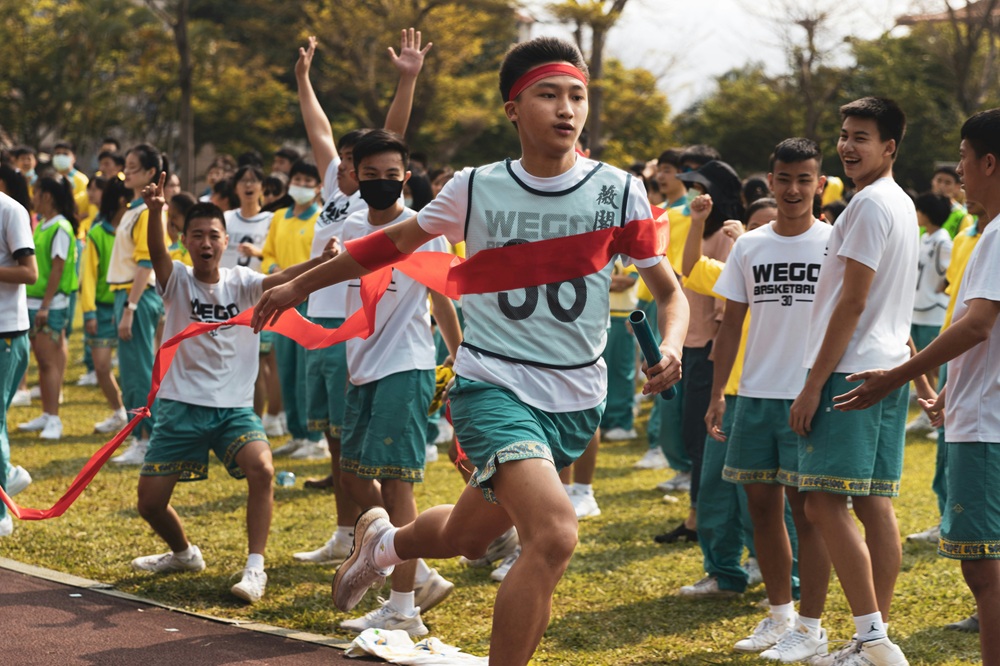
Kids in Taiwan do not get enough exercise; this is backed up by research. Taiwanese students are below average or failing in their levels of physical fitness and the amount of exercise they get. This is the case because students here spend an exorbitant amount of time in school and on schoolwork. New studies show that this sacrifice is not necessary. In fact, scientists have recently shown that exercise may be the key to unlocking our kids’ brainpower.
Education in Taiwan
Like parents everywhere, moms and dads in Taiwan want what is best for their children. Unfortunately, this desire to help their children succeed leads to overbooking and overworking, which has adverse effects on kids’ health. Even worse, all that studying has actually made it harder for them to learn.
The Child Welfare League Foundation believes the “…curriculum guidelines introduced by the government in 2019 has led to ‘learning fatigue’ in children.” Taiwanese students are being overworked to the point that it is hurting their performance in school.
Cognitive scientists have talked about “learning fatigue” for years. They theorize that our “working memory”—or short-term memory—gets overloaded when we take in too much new information at once. In other words, when we learn too much at once, we can’t properly analyze and organize information, which means the new information cannot enter into our long-term memory, meaning we don’t actually learn.
So, if what we are doing isn’t working, that gives us ample reason to change.
Exercise in Taiwan & Reasons to Change
As noted, Taiwan has been sacrificing its children’s health and fitness in the pursuit of good grades for years, and it is time we stopped ignoring it. A recent Child Welfare League Foundation survey showed 70 percent of Taiwanese children from 11 to 13 get too little exercise. Researchers have published multiple report cards outlining the problem. We know kids aren’t getting enough exercise, yet Taiwan’s students continue to be so swamped with studying and schoolwork that they have no time for physical activities. We need to recognize that there need not be a conflict between education and exercise.
A new study, published in March, has definitively “…reinforced exercise as an essential, inclusive activity for optimising cognitive health.” The study looked at nearly 3,000 clinical trials and nearly 260,000 participants. The results show that regular exercise—especially low to moderate levels of exercise—has myriad benefits for cognitive function and health. Put simply, exercise improves how your brain works.
The three biggest takeaways from this study are:
- “low- to moderate-intensity exercise had the greatest benefits for brain function and memory”
- This means that we don’t need to force our kid to run marathons in their free time. Simply spending more time outside playing and being kids satisfies this requirement, as does walking more.
- “children and adolescents showed the greatest improvements in memory, while people with ADHD saw the biggest gains in executive function”
- This is a big one. If the way our kids are studying is harming their ability to remember, this study gives us a solution. Even better, it solves the problems with lack of exercise and physical health, too. Win-win.
- This is also a great sign for kids with ADHD. Executive function is the fancy name for the brain’s ability to focus, organize, and solve problems. Exercise, thus, can help kids who struggle to pay attention in class. In turn, their increased focus can help them learn more effectively.
- “yoga, Tai Chi, and exergames (active video games) delivered the most significant cognitive benefits”
- This will definitely be music to kids’ ears. Video games that include physical activity also help kids, and adults, improve their memories and learn better. Pokemon Go was on to something.
As you can see, these benefits are attainable, and the types of exercise that kids can do to see improvement are diverse. We don’t need to force kids into sports they dislike or grind them into the ground with intense workouts. Simply walking to school more often would improve both their physical and cognitive health. Of course, if kids want to play sports or do more strenuous activities, that’s great too. But to see improvement in the classroom, all they have to do is just be more active.
(For those who want to read the full published article referenced above, you can go here.)
By promoting more active lives—either through sports or simply moving more—students will see improvement in learning and physical health. The science is increasingly clear: exercise helps your brain and its ability to learn. Forgoing a few extra classes every week and adding some physical activities won’t distract kids from schoolwork; on the contrary, it will help them.
There should be no competition between education and exercise in children’s lives. As is the case with most things in life, this isn’t a zero-sum game. Exercise and education are allies, not enemies. It’s time we started treating them as such.