

Latest
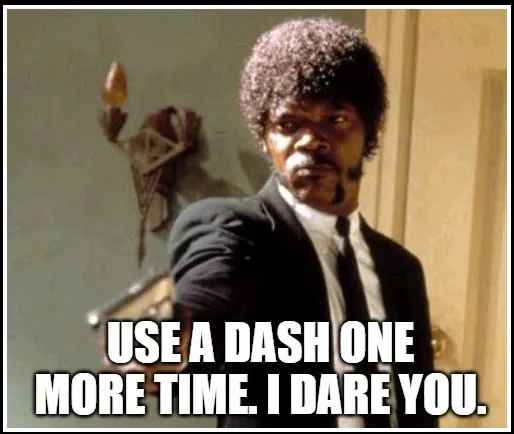
AI: Don’t use it.
Freewriting is simple. It’s just writing with no rules, no expectations, and—most importantly—no grades. In a world where kids are often ranked, tested, and pushed to perform, students also need space to explore and to just write.
Academic Writing
Writing, rewriting, and why we do it in the classroom
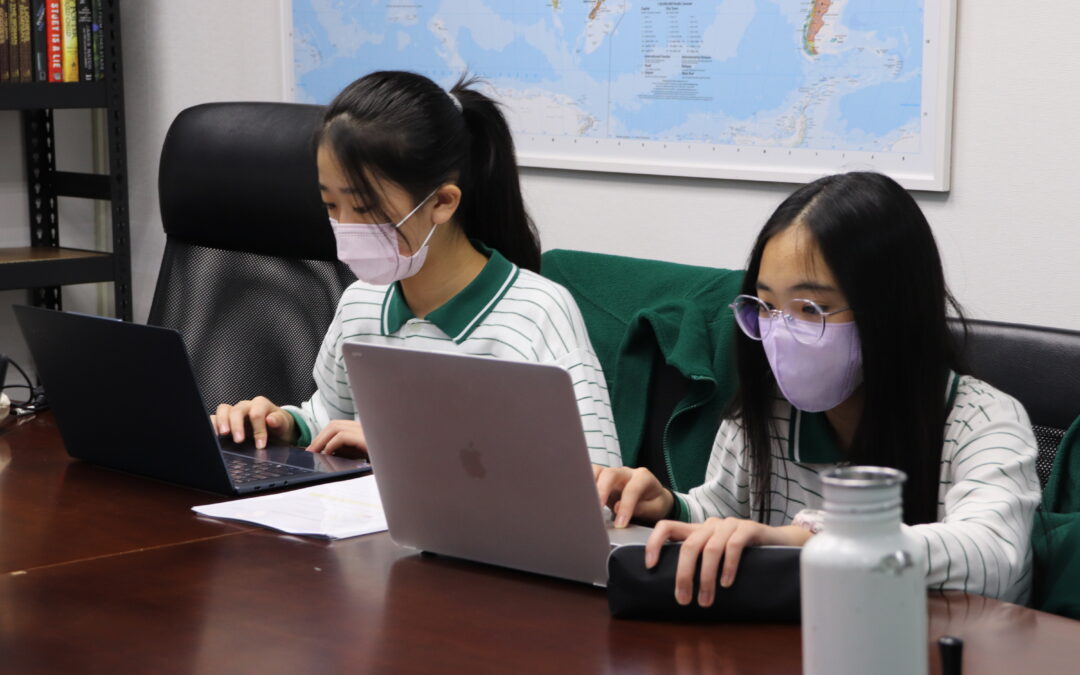
Last semester, a few parents decided to remove their kids from class about halfway through the term. The parents argued their children were doing too much work during class time — specifically drafting their writing tasks as well as redrafting them after I had edited them … To them, this was evidence of a lack of learning. This couldn’t be further from the truth.
English as a Second Language vs English Language Arts vs Academic Writing
We get a lot of parents who are sticklers for grammar and vocabulary practice, and the fact we don’t emphasize these mainstays of traditional English learning can be confusing for people who learned this way. However, English class as it was done in the past isn’t particularly effective. What is the purpose of knowing all the rules of grammar if you don’t understand when and why to employ them in speaking or writing? How is having memorized list after list of vocabulary helpful when you don’t understand connotation or how to use words in a given context?
With this article, we hope to clear up the differences between types of English learning to help parents make more informed decisions as to what their students need.
Elementary Fundamentals

Children Need Authentic Hobbies
Freewriting is simple. It’s just writing with no rules, no expectations, and—most importantly—no grades. In a world where kids are often ranked, tested, and pushed to perform, students also need space to explore and to just write.
Good Readers
Freewriting is simple. It’s just writing with no rules, no expectations, and—most importantly—no grades. In a world where kids are often ranked, tested, and pushed to perform, students also need space to explore and to just write.
Building Thinkers, Not Test-Takers: The Englist Approach
Recently, the teachers at Englist read a research paper titled “Ending the Reading Wars: Reading Acquisition From Novice to Expert.” The authors of the paper give an interesting example of how necessary background knowledge is to reading comprehension. Using that example, I’d like to explore the complexities of reading and why the ability to read fluently doesn’t always mean the ability to comprehend completely.
College Applications
AI: Don’t use it.
Freewriting is simple. It’s just writing with no rules, no expectations, and—most importantly—no grades. In a world where kids are often ranked, tested, and pushed to perform, students also need space to explore and to just write.

5 reasons to take Englist’s “Critical Thinking and Citizenship” class
Addressing injustice and encouraging positive citizenship are major goals of education. Therefore, students should learn how to critically examine instances of injustice in their world and lives, develop the skills to address these issues, and develop confidence to engage in democratic and political processes as adults.
What is writing? And why do we write?
Writing is important, and once you realize what it is for, it is fun. But more than just fun, writing is a powerful tool and it will train you to do the most fundamental thing human beings do. That is because: …